


Send Message
Privacy statement: Your privacy is very important to Us. Our company promises not to disclose your personal information to any external company with out your explicit permission.
 Chengdu JRT Meter Technology Co., Ltd
Select Language
English
Infiniti Electro-Optics specializes in a range of night vision technologies, with a primary focus on IR illumination and thermal imaging for long-range surveillance applications. Thermal infrared imaging utilizes mid-wave and long-wave infrared segments to generate images based on naturally emitted heat, offering key advantages such as eye safety, covert operation, and low power consumption. However, it tends to be more expensive and has lower resolution compared to near-infrared (NIR) imaging. On the other hand, infrared illumination employs invisible near-infrared light to illuminate scenes, delivering high-detail images at a lower cost, though it is limited by distance and may be less covert due to a faint visible glow. To enhance surveillance capabilities, Infiniti designs custom camera systems that integrate multiple technologies, ensuring a comprehensive and versatile solution for effective nighttime monitoring.


In the dark of night, many challenges arise—visibility drops, and safety concerns grow. As someone who has navigated these challenges, I understand the frustration of limited sight in low-light conditions. Long-range infrared sensors offer a solution, transforming how we perceive our surroundings after sunset.
Imagine driving at night or patrolling an area where every shadow could hide a potential threat. Traditional lighting can only do so much, often creating glare or obscuring details. Long-range infrared sensors, however, detect heat signatures, allowing you to see beyond the visible spectrum. This technology not only enhances safety but also provides peace of mind.
To effectively utilize long-range infrared sensors, consider the following steps:
Understand Your Needs: Assess the specific situations where visibility is crucial. Whether for security, wildlife observation, or nighttime navigation, knowing your requirements helps in selecting the right sensor.
Choose the Right Equipment: Not all infrared sensors are created equal. Look for models with high resolution and long detection ranges. Reading user reviews and expert opinions can guide you in making an informed choice.
Learn the Basics of Operation: Familiarize yourself with the sensor’s features and settings. Most devices come with user manuals, but hands-on experience is invaluable. Practice using the sensor in various conditions to understand its capabilities.
Integrate with Other Tools: For enhanced effectiveness, combine infrared sensors with other technologies. For instance, pairing them with night vision cameras can provide a comprehensive view of your surroundings.
Regular Maintenance: Keep your sensors clean and updated. Regular checks ensure optimal performance and longevity of the equipment.
By embracing this technology, I have experienced a significant improvement in situational awareness during nighttime activities. The ability to see beyond the ordinary not only enhances safety but also opens up new possibilities for exploration and security.
In summary, long-range infrared sensors are a game-changer for anyone needing enhanced visibility in low-light conditions. By understanding your needs and selecting the right tools, you can navigate the night with confidence and clarity.

In today's fast-paced world, many of us face challenges in achieving clear visibility and understanding in various environments. Whether it's for security, navigation, or simply enhancing our daily experiences, the limitations of conventional technology can often leave us wanting more. This is where long-range infrared technology comes into play, offering a solution that transcends these boundaries.
I’ve encountered situations where traditional lighting and imaging methods simply fall short. For instance, during night-time outdoor activities or in low-visibility conditions, it becomes crucial to have a reliable means of detection. Long-range infrared technology provides the ability to see through darkness and even challenging weather conditions, allowing for enhanced safety and situational awareness.
So, how can we harness this technology effectively? Here are the key steps:
Understanding the Basics: Long-range infrared technology works by detecting heat emitted by objects, which makes it invaluable in various applications, from surveillance to wildlife observation. By grasping the fundamentals, I can better appreciate its advantages.
Choosing the Right Equipment: Selecting the appropriate infrared devices is essential. Depending on the intended use—be it personal safety or professional security—there are various options available. I recommend researching brands and models that offer the best performance for your needs.
Training and Familiarization: Using long-range infrared technology effectively requires practice. Familiarizing myself with the equipment and understanding its features ensures that I can maximize its potential in real-world scenarios.
Integrating with Other Technologies: Combining infrared technology with other systems, like thermal imaging or drones, can enhance its capabilities. This integration allows for a more comprehensive approach to visibility and monitoring.
Staying Informed: The field of infrared technology is constantly evolving. Keeping up with the latest advancements and trends can help me make informed decisions and stay ahead in utilizing these tools effectively.
By embracing long-range infrared technology, I’ve found that I can overcome the limitations of traditional methods. It not only enhances visibility but also provides a sense of security and confidence in various situations.
In conclusion, the potential of long-range infrared technology is vast, and with the right approach, we can truly see beyond limits. Whether for personal use or professional applications, investing time and resources into understanding and utilizing this technology can lead to significant benefits in our daily lives.

In a world where visibility often falters in low-light conditions, I understand the frustration of not being able to detect what lies ahead. Whether you're navigating through a darkened environment for work or recreational purposes, the inability to see clearly can pose significant risks. This is where long-range infrared sensors come into play, illuminating the darkness and enhancing your safety and efficiency.
Long-range infrared sensors are designed to detect heat signatures from considerable distances, allowing you to see in conditions where traditional vision fails. Imagine being able to spot an object or a person in complete darkness, simply because it emits heat. This technology is not just for specialized fields; it can be a game-changer for outdoor enthusiasts, security personnel, and even homeowners looking to enhance their safety.
To effectively utilize long-range infrared sensors, consider the following steps:
Assess Your Needs: Determine the specific scenarios in which you'll use the sensor. Are you monitoring wildlife, securing your property, or conducting search and rescue operations? Knowing your requirements will guide your selection process.
Choose the Right Sensor: With various types of infrared sensors available, it's essential to select one that matches your needs. Look for features such as range, resolution, and sensitivity. Reading user reviews can provide insights into performance in real-world situations.
Installation: Proper installation is crucial for optimal performance. Follow the manufacturer's guidelines closely. Whether it's mounting on a vehicle or setting up in a fixed location, ensure the sensor has a clear line of sight for maximum effectiveness.
Regular Maintenance: Like any technology, infrared sensors require upkeep. Regularly check for obstructions, clean the lens, and ensure that the device is functioning correctly. This will help maintain its reliability over time.
Training and Familiarization: If you're using these sensors in a professional context, take the time to train yourself and your team. Understanding how to interpret the data and respond to alerts can make all the difference in critical situations.
By incorporating long-range infrared sensors into your toolkit, you not only enhance your ability to see in the dark but also increase your overall safety and situational awareness. This technology bridges the gap between obscurity and clarity, allowing you to navigate confidently through the shadows. Embrace the light, and discover the peace of mind that comes with being prepared for whatever the night may hold.
In a world where visibility is often limited by darkness, the need for reliable night vision technology has never been more critical. I understand the frustration of navigating through low-light conditions, whether for outdoor adventures, security purposes, or professional applications. The inability to see clearly can lead to missed opportunities and heightened risks. That's where infrared sensors come into play, revolutionizing the way we experience the night.
Infrared sensors operate by detecting heat emitted from objects, allowing us to see in complete darkness. This technology has transformed various fields, from military operations to wildlife observation, providing clarity and safety. However, many still wonder how to effectively utilize these sensors to maximize their benefits.
First, it's essential to choose the right type of infrared sensor for your specific needs. There are several options available, including thermal imaging cameras and night vision goggles. Each serves different purposes, so identifying your primary use case is crucial. For instance, if you’re interested in wildlife photography, a thermal camera might be your best choice, while security personnel may prefer goggles for hands-free operation.
Once you've selected your device, understanding its features is the next step. Familiarize yourself with the settings, such as brightness adjustments and focus controls. This knowledge will enhance your experience, allowing you to adapt the device to various environments effectively.
Additionally, proper maintenance of your infrared sensor is vital for longevity and performance. Regularly clean the lenses and store the device in a protective case to prevent damage. This simple practice can significantly extend the life of your equipment and ensure optimal functionality.
In conclusion, embracing the power of infrared sensors can dramatically improve your nighttime experiences. By selecting the right device, understanding its features, and maintaining it well, you can overcome the challenges posed by darkness. As I’ve learned through my own experiences, investing in quality night vision technology opens up a world of possibilities, allowing you to explore and engage with your surroundings like never before.
We has extensive experience in Industry Field. Contact us for professional advice:Amanda Lee: sales@jrt-measure.com/WhatsApp +8615982044032.
Lee Amanda 2023 Uncover the Night: The Magic of Long Range Infrared Sensors
Lee Amanda 2023 See Beyond Limits: Harnessing Long Range Infrared Technology
Lee Amanda 2023 Illuminate the Darkness: Discover Long Range Infrared Sensors
Lee Amanda 2023 Night Vision Revolution: Explore the Power of Infrared Sensors
Lee Amanda 2023 Enhancing Safety and Exploration with Long Range Infrared Sensors
Lee Amanda 2023 The Future of Nighttime Visibility: Embracing Infrared Technology

August 09, 2023
August 30, 2022
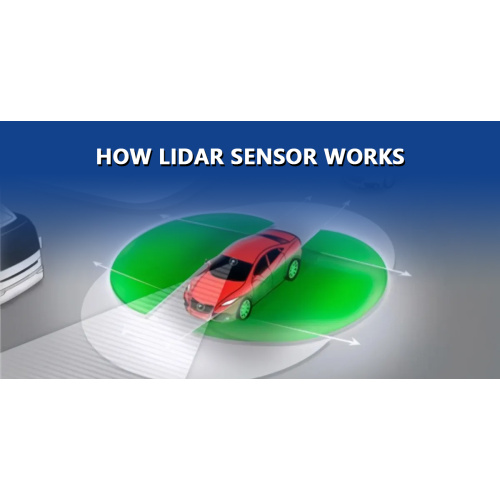
July 07, 2022
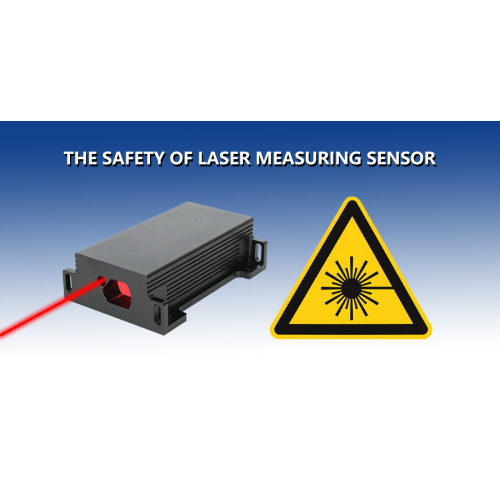
July 01, 2022
Unlock the power of night vision with an impressive 95% clarity at distances exceeding 1,000 meters, allowing you to see clearly in the dark and enhancing your nighttime experiences. Whether you're
Motion sensor lights serve as vigilant guardians for your home at night, detecting movement and illuminating instantly. These lights primarily utilize Passive Infrared (PIR) sensors to identify cha
The global night vision device market is poised for substantial growth, projected to increase from USD 8.57 billion in 2025 to USD 12.91 billion by 2030, reflecting a compound annual growth rate (C
The global Infrared Search and Track (IRST) Systems Market is projected to grow from USD 6,702.5 million in 2024 to USD 9,678.54 million by 2032, with a CAGR of 4.7% during the forecast period. Thi
Email to this supplier
August 09, 2023
August 30, 2022
July 07, 2022
July 01, 2022
About Us
Related Products List
Contact Us

Privacy statement: Your privacy is very important to Us. Our company promises not to disclose your personal information to any external company with out your explicit permission.
Fill in more information so that we can get in touch with you faster
Privacy statement: Your privacy is very important to Us. Our company promises not to disclose your personal information to any external company with out your explicit permission.